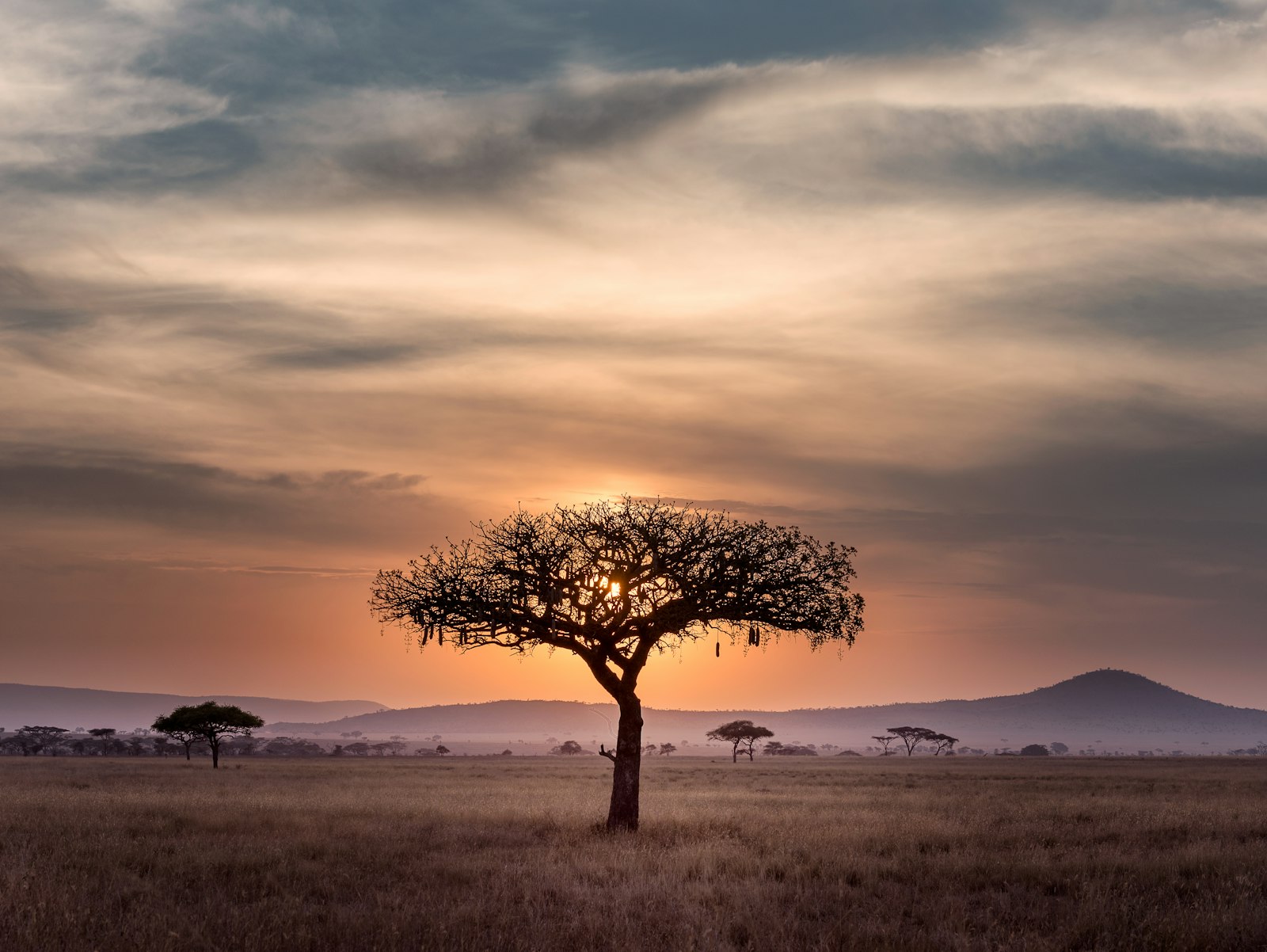
Serengeti Great Migration
Witness the world's greatest wildlife spectacle as millions of animals cross the Serengeti plains. River crossings from July to October are the most dramatic moments.
Home to the Serengeti, Kilimanjaro, and Zanzibar - where Africa's greatest wonders converge
Tanzania is a land of superlatives: the highest mountain in Africa, the largest game reserve on the continent, the world's most famous wildlife migration, and some of the most pristine beaches in the Indian Ocean. It is the ultimate African destination.
The Serengeti ecosystem hosts the Great Migration, where over two million wildebeest, zebra, and gazelle traverse the plains in an ancient cycle of life. Beyond the savanna, the Ngorongoro Crater offers an enclosed wildlife paradise unlike anywhere else on Earth.
From summiting Mount Kilimanjaro to relaxing on Zanzibar's spice-scented shores, Tanzania offers extraordinary diversity. The warmth of Swahili culture, with its tradition of "Karibu" (welcome), makes every visitor feel at home in this remarkable country.
Witness the world's greatest wildlife spectacle as millions of animals cross the Serengeti plains. River crossings from July to October are the most dramatic moments.
Tackle Africa's highest peak at 5,895 meters. Multiple routes offer varying difficulty levels, from the popular Machame to the scenic Lemosho trail.
Descend into the world's largest intact volcanic caldera, home to around 25,000 animals including the endangered black rhino in a natural amphitheater.
Explore Stone Town's winding alleys, relax on pristine white-sand beaches, snorkel coral reefs, and discover the island's rich spice trade heritage.
Float above the Serengeti at dawn for a breathtaking aerial perspective of the wildlife below, followed by a champagne bush breakfast on the plains.
Experience the living culture of the Maasai people, learning about their traditions, beadwork artistry, and harmonious coexistence with wildlife.
Calving season in southern Serengeti with excellent predator action. February is peak for wildebeest births. Green and lush landscapes.
Heavy rainfall, some lodges close. Lower prices and fewer tourists. Roads can be challenging but birdwatching is exceptional.
Peak safari season with excellent wildlife viewing. Migration river crossings from July. Clear skies ideal for Kilimanjaro climbs.
Brief afternoon showers, lush scenery. Migration herds return south. Good value with fewer crowds and beautiful green landscapes.
Yellow fever vaccination is required. Malaria prophylaxis is strongly recommended. Consult a travel doctor at least 6 weeks before departure.
Safari costs vary greatly. Budget options start at $150/day; mid-range runs $300-500/day. Book through reputable operators and compare inclusions carefully.
Wear khaki, olive, and tan for safari. Avoid bright colors that can disturb wildlife. Bring layers as mornings and evenings can be surprisingly cool.
Bring a telephoto lens (200-400mm) for wildlife photography. Extra batteries and memory cards are essential as charging opportunities may be limited on safari.
US dollars are widely accepted for tourism services. Bring bills printed after 2006 as older notes are often refused. ATMs available in major towns.
Ask permission before photographing people. Learn basic Swahili greetings like "Jambo" and "Asante." Dress modestly in towns, especially on Zanzibar.
Let us craft your perfect Tanzanian safari adventure through the Serengeti, Kilimanjaro, and Zanzibar.
Start Planning