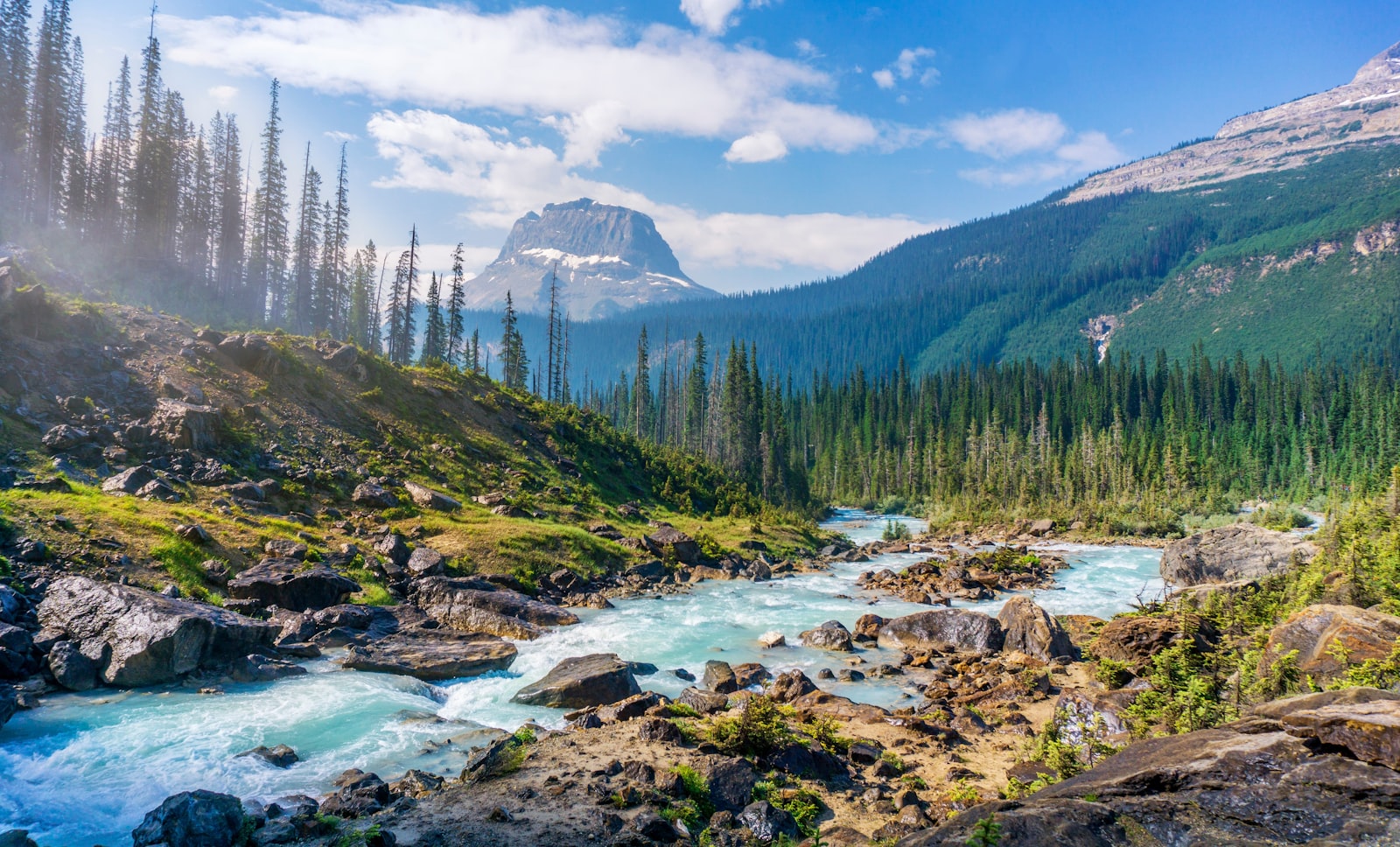
America's Last Frontier — Wild, Vast, and Utterly Breathtaking
Alaska is not just a destination — it is an experience that resets your sense of scale.
Spanning over 663,000 square miles, Alaska is larger than Texas, California, and Montana combined. It is a land of superlatives: the tallest mountain in North America (Denali at 20,310 ft), the most glaciers of any U.S. state, and wildlife corridors that have remained unchanged for millennia.
Whether you are kayaking past calving glaciers in Kenai Fjords, watching grizzly bears fish for salmon at Katmai, or gazing at the aurora borealis dancing over Fairbanks, Alaska delivers moments of pure awe that few destinations on Earth can match.
Alaska rewards slow, intentional travel. Its scale means you genuinely need to choose your focus — Southeast rainforest, South-Central glacier country, Interior wilderness, or the Arctic tundra — each region offering a completely different character.
Witness grizzly bears catching sockeye salmon mid-air at Katmai National Park — one of the world's greatest wildlife spectacles.
Cruise or kayak through Kenai Fjords amid calving tidewater glaciers and thousands of seabirds and marine mammals.
Marvel at Denali, the highest peak in North America, rising dramatically from the surrounding tundra at Denali National Park.
Chase the aurora borealis in Fairbanks — one of the best viewing locations on the planet during winter months.
Experience the Alaska Marine Highway by ferry through the stunning Inside Passage fjords of Southeast Alaska.
Fly in a floatplane to a remote wilderness lodge for unparalleled brown bear, moose, and wolf viewing.
Witness the summer midnight sun — 24 hours of daylight that transforms daily rhythms in Alaska's Interior.
Dog sledding, glacier hiking, and ice climbing make Alaska a year-round adventure destination unlike any other.
Always maintain 100 yards from bears and wolves, 25 yards from other wildlife. Carry bear spray in bear country and know how to use it.
Many of Alaska's best experiences require small plane access. Book flightseeing and fly-in tours well in advance — they sell out months ahead.
Alaska weather is famously unpredictable. Pack wool base layers, waterproof outer shells, and insulating mid-layers even in summer.
Peak season (June–August) fills up fast. Popular lodges, bear-viewing tours, and glacier cruises often sell out 6–12 months in advance.
Alaska has distinct seasons that transform the landscape dramatically. Summer (June–August) brings the midnight sun and peak wildlife activity. Fall (September–October) offers the aurora and fall foliage. Winter is for dog sledding and northern lights. Spring sees the ice break up and the return of migratory birds.
Peak season with 20+ hrs of daylight, temperatures 55–75°F. Best for wildlife, hiking, fishing, and glacier tours. Very crowded and expensive.
Crowds thin, prices drop, salmon runs peak, aurora borealis returns. Brilliant fall foliage in the Interior. Temperatures drop to 30–50°F.
Extreme cold (-20°F to 20°F) but magical: northern lights, dog sledding, ice fishing, and cozy lodge experiences. Minimal daylight in far north.
Ice breaks up, migratory birds return, bears emerge from hibernation. Trails muddy but spectacular. Fewer crowds and shoulder-season pricing.
Let our travel experts craft your perfect itinerary.