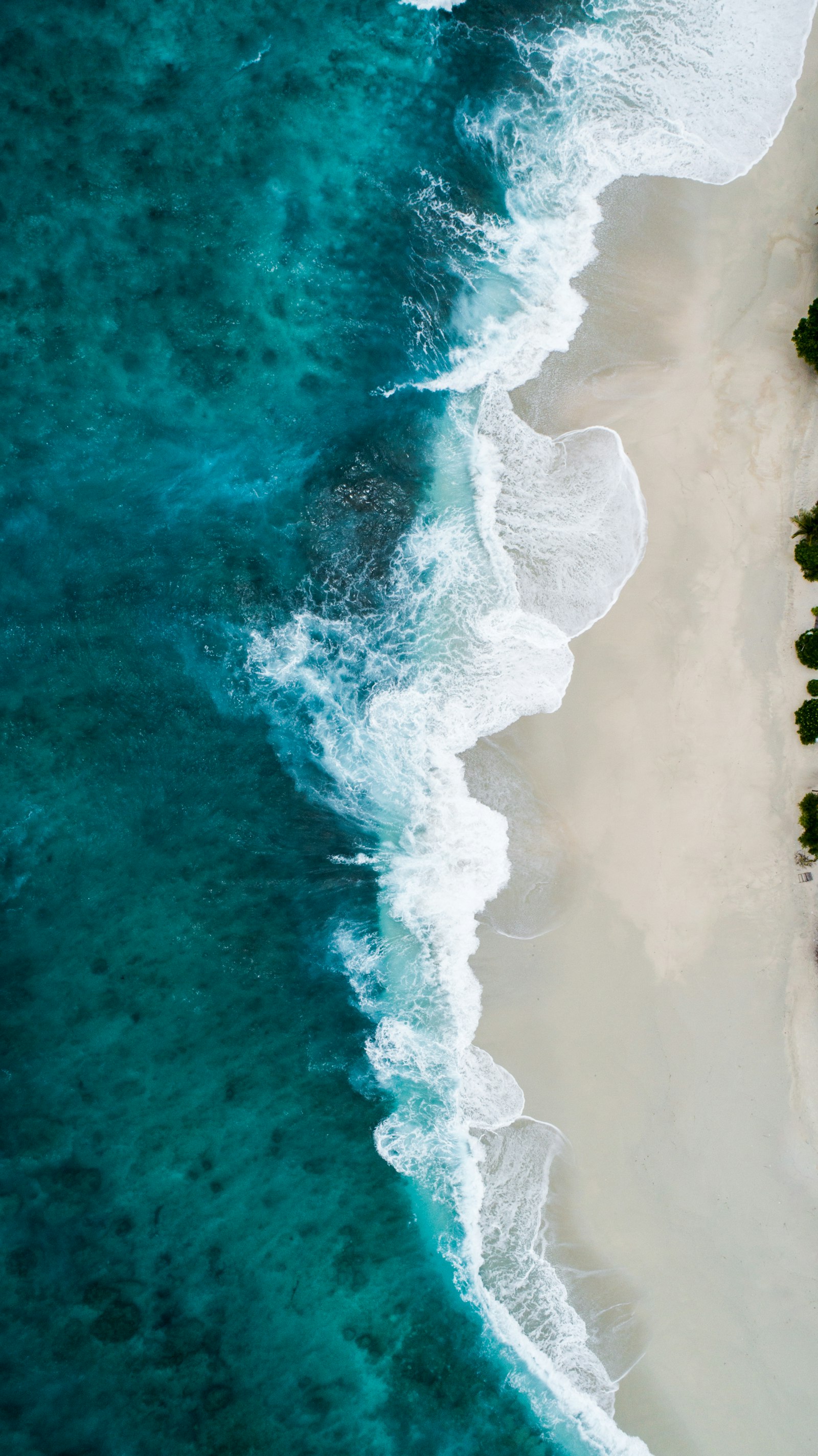
Granite boulders, crystal lagoons, and endemic wildlife in the world's most pristine island archipelago.
The Seychelles archipelago is the definition of paradise realized — 115 islands scattered across the Indian Ocean, where rose-pink granite boulders meet water so clear you can count the fish from the surface, and where giant tortoises still lumber through ancient forests as they have for centuries.
The Seychelles inner islands — Mahé, Praslin, and La Digue — are ancient Gondwana fragments, geologically unique granite islands rather than typical coral atolls. This origins story explains the extraordinary landscape: massive rose-pink boulders, worn smooth by millennia, frame beaches of the finest white sand and water in a hundred shades of blue and green. Anse Source d'Argent on La Digue, consistently voted the world's most beautiful beach, embodies this uniqueness perfectly.
The Seychelles is also a world leader in conservation. Roughly 50% of its total land area is protected as national park or reserve — more than any other country. The Vallée de Mai on Praslin is a UNESCO World Heritage primeval palm forest, home to the coco de mer palm (producer of the world's largest seed — a 25kg double coconut), and the extremely rare black parrot found only here. The Aldabra Atoll, a UNESCO site in the outer islands, hosts the world's largest population of giant Aldabra tortoises — over 100,000 animals.
Tourism in the Seychelles is deliberately managed at a premium level — the government has prioritized quality over quantity, resulting in a destination that feels uncrowded and pristine even in peak season. The flip side is that the Seychelles is one of the world's more expensive destinations. But for those seeking the ultimate Indian Ocean experience — combining flawless beaches, extraordinary wildlife, and genuine natural rarity — the Seychelles delivers an experience that no other island destination can fully replicate.
Inter-island ferries (Cat Cocos for Praslin and La Digue) are reliable, comfortable, and the best way to experience the islands together. A Praslin-La Digue combination is essentially mandatory — La Digue alone is worth the entire trip. Book ferry tickets in advance during peak seasons (July–August and December).
Anse Lazio on Praslin has the most accessible and spectacular snorkeling — hawksbill turtles are frequently encountered. Beau Vallon on Mahé has good reef accessible from shore. The best diving involves organized boat dives to offshore pinnacles where whale sharks, manta rays, and schools of barracuda are common.
The Seychelles is genuinely expensive. Budget accommodations (guesthouses) start at $80–100/night; mid-range hotels $200+; luxury resorts $500–2,000+/night. Eating at local market stalls (Victoria Market, Anse Lazio snack shacks) significantly reduces food costs versus hotel restaurants. Plan your budget honestly before booking.
April–May and October–November are the shoulder seasons between the two monsoons — calmer seas, good visibility for diving, and smaller crowds. The northwest monsoon (December–March) brings rough seas to Mahé and Praslin but Anse Source d'Argent on La Digue is more sheltered. The southeast monsoon (May–September) can make some beaches rough.
The Seychelles has a tropical maritime climate — warm (25–31°C) year-round with two monsoon seasons. The northwest monsoon (December–March) brings calmer seas and more humid conditions to the north/west coasts. The southeast monsoon (May–September) brings rougher conditions on some beaches but clearer, cooler weather. The shoulder seasons of April–May and October–November, when one monsoon transitions to the other, generally offer the best overall conditions with calmer seas and excellent visibility.
Rougher seas on southeast-facing beaches. Anse Source d'Argent sheltered and lovely. Clearer skies. Excellent diving visibility. Trade winds bring pleasant cooling breezes. La Digue and north Praslin recommended.
Calmer on north/west beaches. Best for Praslin's Anse Lazio and Mahé's Beau Vallon. More humid and some rain. Whale shark season peaks. December–January is peak tourist season.
Optimal conditions. Seas calming after SE monsoon. All beaches accessible. Good diving visibility. Fewer tourists than December–January peak. Excellent overall experience.
Transition before NW monsoon. Generally calm seas. Excellent weather throughout. Good value vs December peak. Dolphins and whale shark sightings common. Highly recommended.
Let our travel experts craft your perfect itinerary.