/
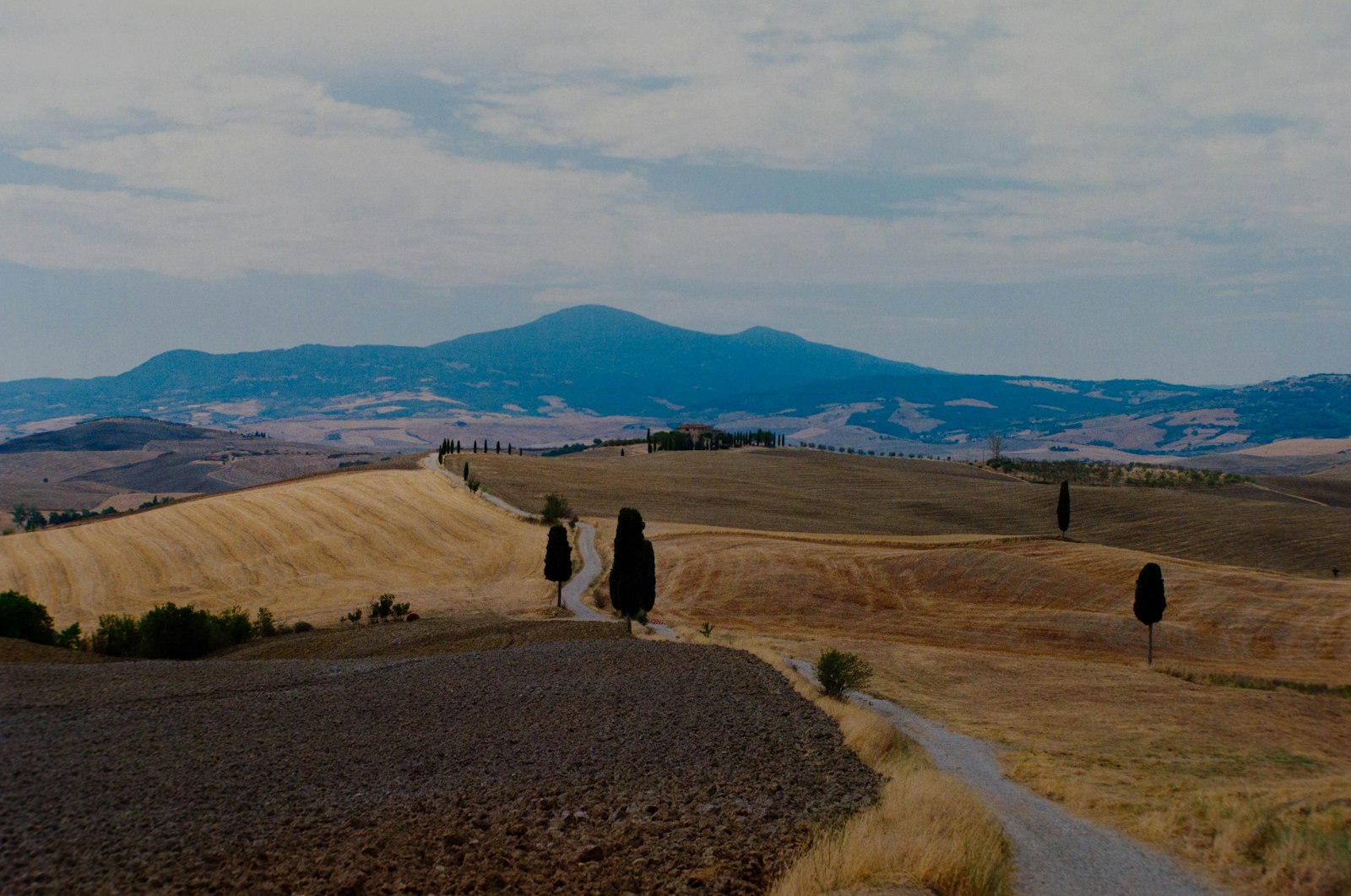
Rolling Tuscan hills with cypress trees, vineyards, and a stone farmhouse at golden hour
Culture & Food & Wine

Tuscany, Italy

Rolling cypress-lined hills, Renaissance masterpieces, world-class Chianti, and the most beautiful countryside on Earth

📍 Central Italy🗓 Best: April–June, September–October💰 Mid-Range to Luxury

Tuscany is the region that defined the Western idea of beauty — its rolling hills, golden light, and timeless landscapes have inspired artists, poets, and dreamers for centuries.

Florence (Firenze) alone would justify any trip — the Uffizi Gallery houses the greatest collection of Renaissance art on Earth, the Duomo's terracotta dome still defies comprehension, and the narrow streets of the Oltrarno district buzz with artisan workshops and wine bars. But Tuscany extends far beyond its capital.

The Val d'Orcia, a UNESCO World Heritage landscape, is the quintessential Tuscan postcard — winding dirt roads lined with cypresses, isolated farmhouses on hilltops, fields of golden wheat and sunflowers. Pair it with medieval hill towns like Montepulciano, Pienza, and Montalcino, each with their own celebrated wines, and you have one of the world's most perfect travel regions.

Quick Facts

Region CapitalFlorence (Firenze)
CurrencyEuro (EUR)
LanguageItalian
Time ZoneCET (UTC+1, summer CEST UTC+2)
Best TimeApril–June, Sept–Oct
Getting ThereFly into Florence or Pisa airport
DrivingSelf-drive recommended for countryside
Famous WinesChianti, Brunello, Vino Nobile

Why Tuscany, Italy?

Florence's Uffizi Gallery — Botticelli's Birth of Venus, da Vinci, Michelangelo's Doni Tondo in one extraordinary building

The Duomo and Brunelleschi's dome — climb to the top for extraordinary views over the terracotta rooftops of Florence

Val d'Orcia UNESCO landscape — the iconic cypress-lined roads, stone farmhouses, and golden hillsides of southern Tuscany

Chianti wine tasting in Greve in Chianti, Radda, or at a working estate along the Chiantigiana road

Siena's magnificent medieval Piazza del Campo — one of Europe's most beautiful squares

San Gimignano — the medieval "Manhattan" of Tuscany, famous for its 14 surviving medieval towers

Montepulciano and Montalcino for Vino Nobile and Brunello di Montalcino tasting at tiny enotecas

Thermal baths at Bagno Vignoni or Saturnia — natural hot springs in the Tuscan countryside

Your 5-Day Itinerary

Day 1

Arrive Florence — Art and the Duomo

  • Arrive at Florence Santa Maria Novella station or Peretola airport
  • Check in to hotel in the historic center
  • Afternoon climb of the Duomo's dome or Giotto's bell tower for city views
  • Pre-booked visit to the Uffizi Gallery
  • Aperitivo hour on the Arno with a Negroni at a riverside bar
  • Dinner at a classic Florentine osteria — bistecca alla Fiorentina is obligatory
Day 2

Florence — Oltrarno and Markets

  • Morning at the Accademia Gallery to see Michelangelo's David
  • Cross the Ponte Vecchio to explore the Oltrarno district
  • Visit Palazzo Pitti and the Boboli Gardens
  • Lunch at the Mercato Centrale food hall
  • Afternoon at the leather school at Santa Croce Basilica
  • Evening Piazzale Michelangelo for the best sunset panorama of Florence
Day 3

Chianti Wine Country

  • Rent a car and drive the Chiantigiana (SR222) south through vineyards
  • Stop in Greve in Chianti for a morning wine tasting
  • Lunch at a countryside agriturismo — ribollita, pici, and local Chianti Classico
  • Visit Radda in Chianti and browse a family-run estate
  • End the day at Siena — park outside the walls and walk into the medieval center
  • Dinner on or near Piazza del Campo
Day 4

Siena, San Gimignano & Val d'Orcia

  • Morning at Siena Cathedral and the Piazza del Campo
  • Drive west to San Gimignano for tower town views and gelato
  • Afternoon drive south into the Val d'Orcia — stop at Montalcino castle
  • Sunset photography at the Belvedere chapel near San Quirico d'Orcia
  • Overnight in Pienza or Montepulciano
Day 5

Pienza, Montepulciano & Thermal Baths

  • Morning in Pienza — the perfect Renaissance town built by Pope Pius II
  • Pecorino cheese tasting in Pienza's tiny shops
  • Wine tasting at an enoteca in Montepulciano for Vino Nobile
  • Afternoon soak at the natural thermal pools at Bagni San Filippo (free) or Saturnia
  • Return to Florence or depart from Rome (3 hours south)

Insider Travel Tips

🎨

Book Uffizi & Duomo in Advance

Florence's top attractions sell out weeks in advance in peak season. Book your Uffizi Gallery and Duomo dome tickets online before you leave home — walk-up queues can be hours long in summer.

🚗

Rent a Car for the Countryside

Florence, Siena, and San Gimignano are walkable, but to truly experience the Val d'Orcia and Chianti, you need a car. Rent from Florence for days 3–5 and return before departure. Most Tuscans towns are ZTL zones — restricted to residents.

🍷

Wine Tasting Etiquette

Many small Tuscan estates welcome visitors for tastings with no appointment, especially outside summer. Larger well-known estates require booking ahead. Cantinette (wine bars) in village centers are perfect for sampling local wines with no pressure.

📅

Avoid August

August is brutally hot and extremely crowded in Tuscany. Italians take their own holidays then, meaning restaurants and shops often close. Late September and October offer harvest season, lower crowds, golden light, and the most beautiful landscapes.

When to Visit

Tuscany has a classic Mediterranean climate. Summers (June–August) are hot and dry — temperatures regularly reach 35°C and the landscape browns. Spring (April–June) and autumn (September–October) are the sweet spots — mild temperatures of 18–25°C, wildflowers or harvest colors, and manageable crowds. Winter is mild but some rural hotels close.

Apr–Jun (Spring)

Arguably the best time. Rolling hills are bright green, wildflowers bloom, temperatures are pleasant. Slightly wetter in April. Festival season begins in May. Crowds build in June.

Jul–Aug (Summer)

Peak heat and peak crowds. Magnificent for beach visits to the Tuscan coast. Florence and hill towns are very hot and tourist-heavy. Book everything far in advance and arrive early at sites.

Sept–Oct (Harvest)

The golden season — vineyards turn amber, truffle hunting begins, grapes are harvested. Ideal temperatures. Sagra (food festival) season with truffle fairs, wine harvest festivals, and local food events.

Nov–Mar (Winter)

Cool and quiet — Florence has some winter tourism but the countryside is largely empty. Some agriturismi close. Christmas markets in Florence are charming. February/March can see stunning misty mornings in the Val d'Orcia.

Ready to Plan Your Tuscany, Italy Journey?

Let our travel experts craft your perfect itinerary.

Find & Price My TripGet a Budget Estimate