/
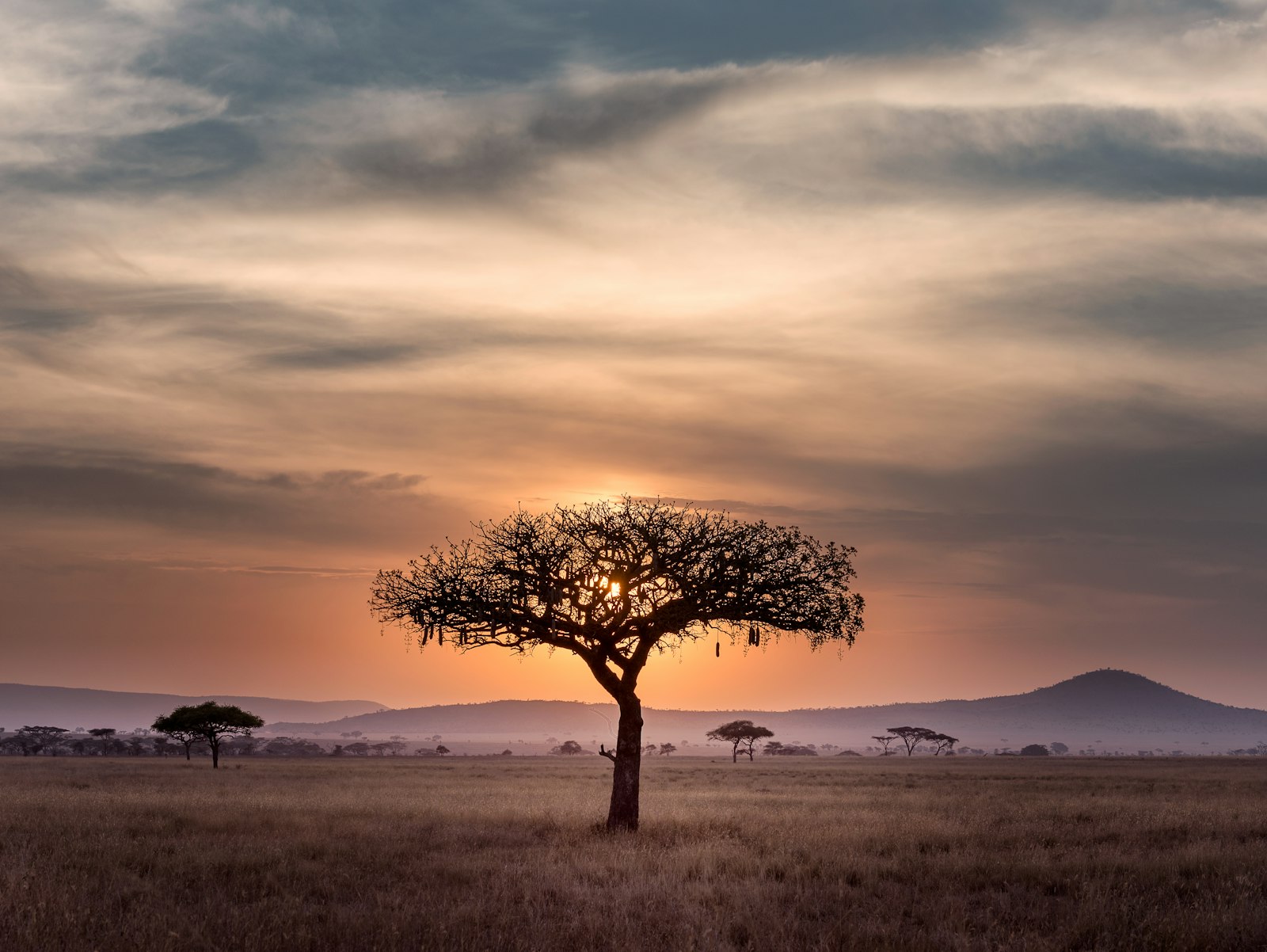
Wildebeest crossing the Mara River during the Great Migration in the Serengeti, Tanzania
Wildlife & Adventure

Tanzania

The Serengeti, Kilimanjaro, and Zanzibar — Africa's ultimate trifecta of safari, summit, and spice

📍 East Africa🗓 Best: June–October💰 Mid-Range to Luxury

Tanzania is Africa at its most spectacular — a country where the world's greatest wildlife spectacle unfolds on the Serengeti plains, and the continent's highest peak pierces the clouds above.

The Serengeti National Park and Ngorongoro Crater together form one of Earth's greatest wildlife ecosystems. The annual Great Migration — over 1.5 million wildebeest, zebra, and gazelle crossing the plains in search of fresh grass — is one of the natural world's defining events. Meanwhile Ngorongoro's caldera walls shelter one of Africa's densest concentrations of big game.

Tanzania also offers Mount Kilimanjaro — the highest freestanding mountain in the world and the most accessible high-altitude summit — and the Zanzibar Archipelago, with its UNESCO-listed Stone Town, pristine beaches, and spice plantations. Tanzania genuinely offers something for every type of adventurer.

Quick Facts

CapitalDodoma (official)
CurrencyTanzanian Shilling (TZS)
LanguageSwahili, English
Time ZoneEAT (UTC+3)
Great MigrationJuly–August peak (river crossings)
Visa RequiredAvailable on arrival / e-Visa
Yellow FeverVaccination required
MalariaProphylaxis recommended

Why Tanzania?

Witness the Great Wildebeest Migration — over 1.5 million animals crossing the Serengeti plains annually

Dramatic Mara River crossings in July–August where crocodiles await the herds

Ngorongoro Crater — a UNESCO World Heritage Site and one of the world's largest intact calderas

Summit Mount Kilimanjaro — Africa's highest peak and the world's tallest freestanding mountain at 5,895m

Hot air balloon safari over the Serengeti at dawn for unparalleled aerial wildlife views

Zanzibar's Stone Town — a UNESCO World Heritage Site with Arab, Persian, Indian, and African influences

Pristine white-sand beaches on Zanzibar's north and east coasts — Nungwi and Paje are sublime

Chimpanzee trekking in Mahale Mountains National Park on the shores of Lake Tanganyika

Your 5-Day Itinerary

Day 1

Arrive Arusha — Safari Gateway

  • Fly into Kilimanjaro International Airport near Arusha
  • Check in to safari lodge or boutique hotel in Arusha
  • Meet your guide and brief on the upcoming safari
  • Afternoon visit to the Cultural Heritage Centre or Arusha National Park
  • Evening dinner with views of Mount Meru
Day 2

Ngorongoro Crater Descent

  • Early drive to the Ngorongoro Conservation Area
  • Descend into the 260 sq km caldera for a full day game drive
  • Spot lions, elephants, black rhino, hippos, and flamingos
  • Picnic lunch on the crater floor
  • Ascend at sunset and overnight at crater rim lodge
Day 3

Serengeti — Central Plains

  • Morning drive through Ngorongoro to enter Serengeti National Park
  • Game drives on the vast central plains seeking the Big Five
  • Stop at the famous kopjes (granite outcrops) for lion sightings
  • Sundowner drinks on the open savanna
  • Bush dinner at permanent tented camp
Day 4

Northern Serengeti — Migration Zone

  • Drive north toward the Mara River (migration season: Jul–Aug)
  • Witness wildebeest gathering at river crossing points
  • Afternoon game drives with expert guide
  • Optional: hot air balloon safari at dawn for aerial views
  • Overnight at luxury tented camp
Day 5

Fly to Zanzibar

  • Morning final game drive in the Serengeti
  • Fly from Seronera airstrip to Zanzibar
  • Afternoon at leisure on Nungwi or Kendwa beach
  • Evening walking tour of Stone Town's narrow lanes and spice markets
  • Seafood dinner at the Forodhani Night Market on the waterfront

Insider Travel Tips

📅

Time Your Safari

For the famous Mara River crossings, visit July–August. For general Serengeti safari with excellent game viewing and fewer crowds, June and September–October are ideal. February offers calving season on the southern plains.

🏕

Lodge vs. Camp

Permanent tented camps inside the Serengeti offer a more immersive experience than lodges. Mobile camps that move with the migration exist for the ultimate experience. Both come at a premium — budget carefully.

💉

Health Requirements

Yellow fever vaccination is required to enter Tanzania. Malaria prophylaxis is strongly recommended for all safari areas. Consult a travel medicine clinic 6–8 weeks before departure for complete health preparation.

🎒

Pack Smart for Safari

Pack neutral-coloured clothing (khaki, green, beige) — avoid blue and black which attract tsetse flies. Bring layers for cool early mornings, sunscreen, and a good zoom lens camera. Luggage on bush flights is limited to 15kg.

When to Visit

Tanzania has two dry seasons — the long dry season from June to October (best for safaris) and a short dry period in January–February. The long rains fall March–May and can limit access to some roads. The short rains in November–December are lighter and less disruptive. Zanzibar shares a similar pattern but also has lovely warm weather December–March.

Jun–Oct (Peak Safari)

Dry season — excellent game viewing across all parks. Serengeti Mara River crossings in July–August. Comfortable temperatures, minimal rain, good bush visibility.

Nov–Dec (Short Rains)

Light rains that make the bush lush and green. Good for birdwatching and photography. Fewer tourists and lower prices. Still good game viewing overall.

Jan–Feb (Short Dry)

Hot and dry. Calving season in the southern Serengeti with thousands of wildebeest calves. Excellent predator activity. Great beach weather on Zanzibar.

Mar–May (Long Rains)

Heaviest rainfall. Some camps close. Roads can become muddy. Prices drop significantly. The parks remain open and wildlife is present — suitable for adventurous travellers.

Ready to Plan Your Tanzania Journey?

Let our travel experts craft your perfect itinerary.

Find & Price My TripGet a Budget Estimate