Welcome to Seychelles
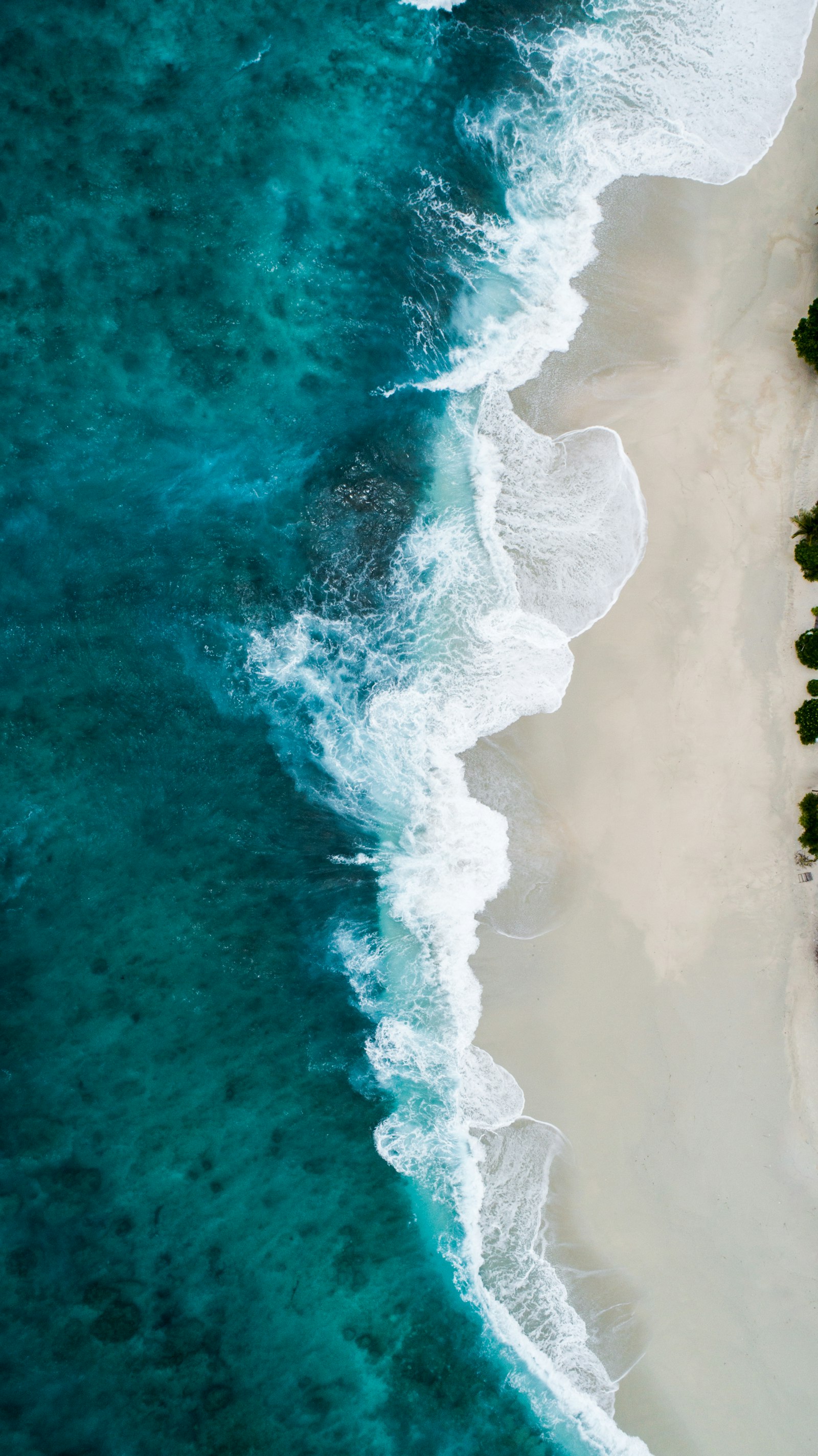
The Seychelles archipelago is the definition of paradise realized — 115 islands scattered across the Indian Ocean, where rose-pink granite boulders meet water so clear you can count the fish from the surface, and where giant tortoises still lumber through ancient forests as they have for centuries.
The Seychelles inner islands — Mahé, Praslin, and La Digue — are ancient Gondwana fragments, geologically unique granite islands rather than typical coral atolls. This origins story explains the extraordinary landscape: massive rose-pink boulders, worn smooth by millennia, frame beaches of the finest white sand and water in a hundred shades of blue and green. Anse Source d'Argent on La Digue, consistently voted the world's most beautiful beach, embodies this uniqueness perfectly.
The Seychelles is also a world leader in conservation. Roughly 50% of its total land area is protected as national park or reserve — more than any other country. The Vallée de Mai on Praslin is a UNESCO World Heritage primeval palm forest, home to the coco de mer palm (producer of the world's largest seed — a 25kg double coconut), and the extremely rare black parrot found only here. The Aldabra Atoll, a UNESCO site in the outer islands, hosts the world's largest population of giant Aldabra tortoises — over 100,000 animals.
Tourism in the Seychelles is deliberately managed at a premium level — the government has prioritized quality over quantity, resulting in a destination that feels uncrowded and pristine even in peak season. The flip side is that the Seychelles is one of the world's more expensive destinations. But for those seeking the ultimate Indian Ocean experience — combining flawless beaches, extraordinary wildlife, and genuine natural rarity — the Seychelles delivers an experience that no other island destination can fully replicate.