Top 10 Mediterranean Cruise Ports You Can't Miss
No single cruising region packs more history, beauty, and flat-out variety into one voyage than the Mediterranean. In a single week you can wander Gaudi's Barcelona, stand inside the Colosseum, swim beneath the cliffs of the Amalfi Coast, and watch the sun melt into the Aegean from a Santorini caldera. Jay Nichols counts down the ten ports that make a Mediterranean cruise the most rewarding sailing on Earth.
Western Mediterranean
Barcelona, Rome, Florence & Provence
The Western Med is where most first-time cruisers begin, and for good reason. Barcelona is the quintessential embarkation port — give yourself two days on the front end to take in Gaudi's Sagrada Familia and Park Guell, the Gothic Quarter, and an unhurried evening of tapas on the Passeig de Gracia. From there the great cities of Italy and France line up one after another.
Rome (via the port of Civitavecchia) is a full day in itself: the Colosseum, the Vatican, and the Trevi Fountain are roughly 90 minutes from the pier, so this is one port where a well-planned private guide pays for itself many times over. Florence and Pisa share the port of Livorno — choose one, because doing both in a day means seeing neither properly. And Marseille opens the door to Provence, Aix-en-Provence, and the lavender country just inland.
A few practical notes for each. In Barcelona, ships berth at the cruise terminals along the Adossat breakwater, a short shuttle ride from the foot of La Rambla and the Columbus monument; from there the Gothic Quarter is an easy walk. The Sagrada Familia sells timed-entry tickets that regularly sell out in peak season, so reserve yours as soon as your dates are set.
Civitavecchia sits roughly 50 miles northwest of Rome. Regional trains reach Roma San Pietro (near the Vatican) and Roma Termini in about 1 to 1.5 hours, and a private car transfer takes about the same depending on traffic — which typically leaves five or six hours in the city on a standard port day.
Livorno is a working port about 15 miles from Pisa (roughly half an hour by road) and about 1.5 hours from Florence. That is why we say choose one: Pisa makes a comfortable half-day, while Florence rewards a full day with the Duomo, the Uffizi, and the Ponte Vecchio.
Marseille's cruise terminals are a shuttle ride from the Vieux-Port. Aix-en-Provence is roughly 30 to 45 minutes inland, and if lavender is the goal, aim for a sailing between late June and mid-July, when the fields of the Valensole plateau are at their peak.
- 1. Barcelona, Spain — Gaudi, the Gothic Quarter, and the best food scene at sea
- 2. Civitavecchia (Rome), Italy — the Colosseum, Vatican, and Roman Forum
- 3. Livorno (Florence/Pisa), Italy — Renaissance art or the Leaning Tower
- 4. Marseille (Provence), France — gateway to lavender fields and hill towns
Italy & the Adriatic
Naples, Venice, Dubrovnik & Kotor
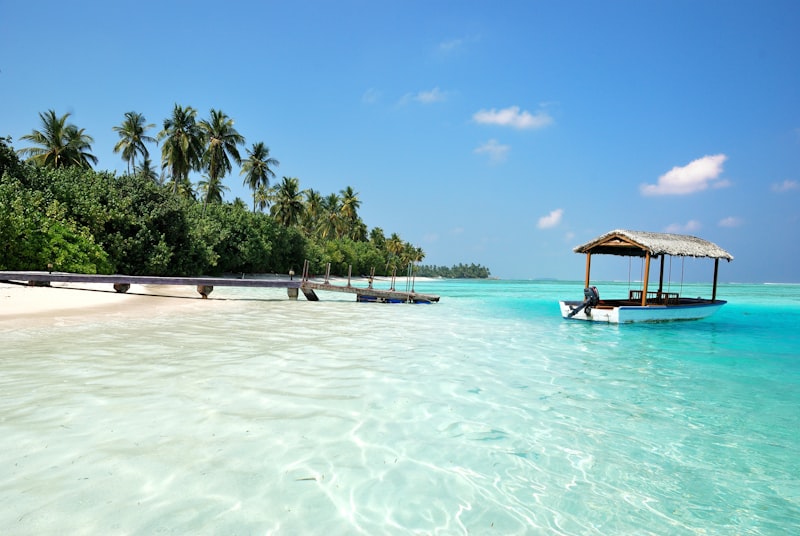
Southern Italy and the Adriatic deliver the most dramatic scenery of any Mediterranean itinerary. Naples is your launch point for three very different excursions — the ruins of Pompeii frozen in volcanic ash, the impossibly pretty Amalfi Coast, and the island glamour of Capri. It is genuinely hard to choose, and many of our clients sail Naples twice across different cruises just to do it all.
Further east, Venice remains one of the most spectacular ports of embarkation in the world, though larger ships now dock at nearby terminals and tender or transfer in. Down the Dalmatian coast, Dubrovnik's medieval walls rise straight from the Adriatic — walk the ramparts early before the day-trippers arrive — and the fjord-like Bay of Kotor in Montenegro is one of the most underrated arrivals in all of cruising.
Naples is one of the most convenient ports in the Mediterranean. Ships dock at the Stazione Marittima right in the city center, and the ferry and hydrofoil piers for Capri and Sorrento are next door at Molo Beverello. Pompeii is roughly 30 to 40 minutes away by road or by the Circumvesuviana train, while the drive to Positano and Amalfi takes closer to two hours each way on narrow, winding coastal roads.
A note on Venice: in 2021, Italy barred large cruise ships from sailing through St. Mark's Basin and the Giudecca Canal past the historic center. The classic sail-in past St. Mark's Square is now largely limited to smaller vessels, and many larger ships embark and disembark at nearby ports such as Trieste or Ravenna, with motorcoach transfers to and from Venice. Always confirm exactly which port your cruise uses before booking hotels and flights.
In Dubrovnik, most ships dock at Gruž harbor, about two miles from the Old Town's Pile Gate — a 10 to 15 minute bus or taxi ride. The city walls run roughly 1.2 miles around the old town and require a ticket. Go at opening time or late in the afternoon: when several ships are in port, the walls and the main street, the Stradun, can be shoulder-to-shoulder by midday.
Kotor is the arrival worth setting an alarm for. The ship spends a good part of the morning winding through the Bay of Kotor between steep limestone mountains, passing the island churches off Perast, before tying up or anchoring right in front of the old town walls. Ashore, energetic travelers can climb roughly 1,350 steps to the fortress of San Giovanni for the postcard view over the bay.
- 5. Naples, Italy — Pompeii, the Amalfi Coast, and Capri all from one pier
- 6. Venice, Italy — St. Mark's, the canals, and an unforgettable sail-away
- 7. Dubrovnik, Croatia — walk the medieval city walls above the sea
- 8. Kotor, Montenegro — a breathtaking fjord arrival and walled old town
The Greek Isles & Eastern Med
Santorini & Mykonos
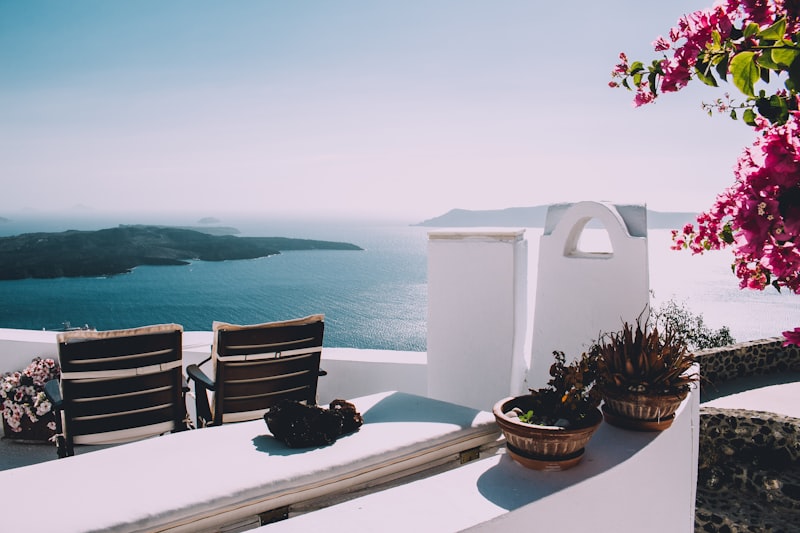
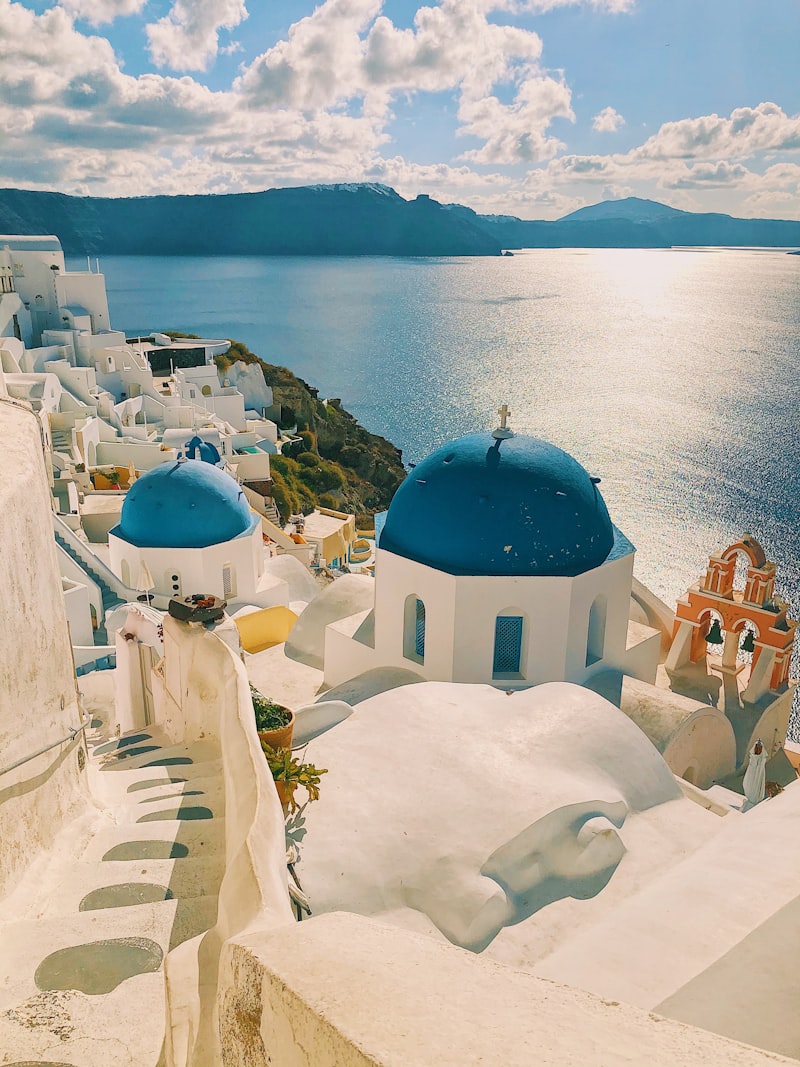
For many travelers, the Greek Isles are the whole reason to sail the Mediterranean — and Santorini is the crown jewel. Tendering into the caldera and ascending the cliff to Oia is a genuine bucket-list moment; book a private sunset viewing away from the main square and it becomes the highlight of the entire trip. Mykonos, by contrast, is all whitewashed lanes, windmills, and a buzzing harbor scene that comes alive in the evening.
Eastern Mediterranean itineraries often pair the islands with Athens (via the port of Piraeus) for the Acropolis and the Parthenon — antiquity on a scale that still astonishes. A quick word of advice from experience: in Santorini, the cable car and donkey path back down to the tender can create long queues late in the day, so plan your return to the ship with a comfortable buffer.
Here is why that buffer matters. Santorini has no cruise pier, so ships anchor in the caldera and tender passengers to the old port below Fira. From there you have three ways up the cliff: the cable car, a ride up the switchback path of nearly 600 steps, or walking it yourself. Oia is roughly 30 to 40 minutes from Fira by road. On days with several ships at anchor, the wait for the cable car back down can run an hour or more, so build your day backwards from your last tender time.
In Mykonos, ships usually dock at the new port at Tourlos, about a mile and a half north of town, with a sea bus or shuttle into the old harbor; on some days ships tender directly into town instead. Mykonos Town is small and walkable — Little Venice and the windmills are only minutes apart — and boats run from the harbor to the ancient sanctuary of Delos.
Piraeus is Athens' port, about seven or eight miles from the Acropolis. A taxi or private transfer takes 20 to 40 minutes depending on traffic, and Metro Line 1 runs from Piraeus station to Monastiraki and Thissio at the foot of the Acropolis. Arrive as close to opening time as you can; by late morning in summer the exposed hilltop is hot and crowded.
- 9. Santorini, Greece — the caldera, Oia's blue domes, and the world's best sunset
- 10. Mykonos, Greece — windmills, Little Venice, and whitewashed island charm
- Bonus: Piraeus (Athens) — the Acropolis and 2,500 years of history
Choosing Your Itinerary
Western vs. Eastern Mediterranean
Most Mediterranean sailings fall into one of two families. Western Mediterranean itineraries focus on Spain, France, and Italy, often with a stop in Monaco or on the French Riviera. These are big-city, big-culture voyages built around art, architecture, and food. The trade-off is that several marquee sights sit well inland from the pier — Rome, Florence, and Provence all involve an hour or more of travel each way — so port days tend to be long and full.
Eastern Mediterranean itineraries center on Greece and the Greek Isles, frequently adding Croatia, Montenegro, and Turkey, where the port of Kusadasi is roughly 20 to 30 minutes from the ancient city of Ephesus. Many of these ports put you right in town, the pace is more relaxed, and the days blend ancient history with swimming and long lunches by the water.
For a first Mediterranean cruise, the Western Med is a superb introduction; for travelers who have already seen Rome and Barcelona, the Eastern Med often becomes the favorite.
- Western: Spain, France, Italy — art, cities, food, longer transfers to the sights
- Eastern: Greece, Croatia, Montenegro, Turkey — islands, antiquity, more walk-off and tender ports
- Combination sailings of 10 nights or more let you sample both
Timing
The Best Months for a Mediterranean Cruise
The main Mediterranean cruise season runs roughly from April through October, and the shoulder months on either end are where the region shines. April through June brings pleasant temperatures, spring flowers, and long evenings, while September and October offer the warmest sea of the year for swimming, harvest season in the wine regions, and noticeably thinner crowds once European summer holidays end.
July and August are the hottest and busiest months of the year. Daytime temperatures in Rome, Athens, and the Greek Isles often climb into the 90s, ports are at their most crowded, and fares tend to peak. If those are your only weeks, plan for early starts and midday breaks.
- April–June: mild weather, long days, moderate crowds
- July–August: hottest, busiest, and usually the highest fares
- September–October: warm seas, harvest season, fewer crowds
- November–March: limited sailings, mostly Western Med; many island businesses closed
Shore Excursions
Ship Tour, Private Guide, or On Your Own?
Every port gives you three basic choices. Ship-sponsored tours are the simplest and safest option: they are priced higher and groups can be large, but if your tour runs late because of traffic or a breakdown, the ship waits for you.
A private guide or driver gives you flexibility the ship can't: your own pace, your own interests, and small-group access to sites such as the Vatican or Pompeii. Many reputable operators offer their own return-to-ship guarantee, but it is their promise rather than the cruise line's, so read the terms carefully.
Exploring independently is the most economical choice and works beautifully in ports where you step off the ship into town — Barcelona, Naples, Dubrovnik, Kotor, and Mykonos are all easy to do on your own. The catch is that if you miss the all-aboard time, the ship can and will sail without you, and getting to the next port is your responsibility and expense. All-aboard is typically 30 minutes before departure, and remember that Greece is an hour ahead of Italy and Spain, so always go by ship's time.
- Sights an hour or more from the pier: ship tour or a well-reviewed private guide
- Ports where you walk into town: explore independently with a plan
- Pre-book timed entry for the Vatican, Colosseum, Uffizi, Sagrada Familia, and Acropolis
Getting There
Where Mediterranean Cruises Begin and End
Barcelona is one of the busiest cruise ports in the Mediterranean and among the easiest to reach, with the airport roughly 20 to 30 minutes from the cruise terminals.
Cruises marketed as departing from Rome actually sail from Civitavecchia. Rome's Fiumicino airport is about an hour's drive from the port, so most travelers either transfer straight from the airport on embarkation day or spend a couple of nights in Rome first and then take the train or a car to the ship. In Greece, most cruises begin or end at Piraeus, generally under an hour by road from Athens International Airport.
Venice needs the most attention. Since large ships were banned from the historic center and the Giudecca Canal in 2021, many cruises advertised as Venice departures now use Trieste, Ravenna, or another nearby port, each typically a drive of two hours or so from Venice's Marco Polo airport.
For guidance on when to book for the best selection and value, see our Wave Season 2027 cruise booking guide, and browse itineraries and cruise lines on our cruises page.

Planning Tips
How to Make the Most of Every Port
The single biggest mistake we see on Mediterranean cruises is trying to do too much in each port and ending the week exhausted. Pick one signature experience per stop and do it well. For the marquee ports with sights well inland — Rome, Florence, Ephesus — a small-group or private tour is worth every dollar, because the difference between 90 minutes at the Vatican and a full, guided day is the difference between a glimpse and a memory.
On timing: May, June, and September are the sweet spots — warm seas, long days, and far thinner crowds than the July and August peak. Whichever itinerary you choose, the right cruise line matters: lines like Oceania, Viking, and Celebrity build longer port days and overnight stays into their Mediterranean sailings, which transforms what you can actually see ashore.
- Sail in May, June, or September to skip the worst crowds and heat
- Book private guides for Rome, Florence, and Ephesus — they pay for themselves
- Choose lines with long port days or overnights (Oceania, Viking, Celebrity)
- One signature experience per port beats five rushed ones
- Arrive a day or two before embarkation in Barcelona, Rome, or Venice
Ready to Sail the Mediterranean?
From choosing the right itinerary to lining up private guides in every port, Jay Nichols will design a Mediterranean cruise that fits exactly how you love to travel.
Plan My Mediterranean Cruise