Europe This Summer: The Best Destinations for 2026
Planning for summer 2027? Everything here still applies, and the best rooms on the Amalfi Coast, in Santorini and on Norwegian fjord cruises book a season ahead. Book a free planning call and we’ll start holding options now.
Summer is when Europe truly comes alive — long golden evenings, open-air dinners, festivals in every piazza, and seas warm enough to swim. But it is also peak season, and the difference between a magical trip and a frustrating one comes down to where you go and how you time it. Elizabeth Nichols shares her favorite European destinations for summer 2026 — and exactly how to enjoy them without the crush of the crowds.

The Mediterranean Classics
The Amalfi Coast, Santorini & the French Riviera
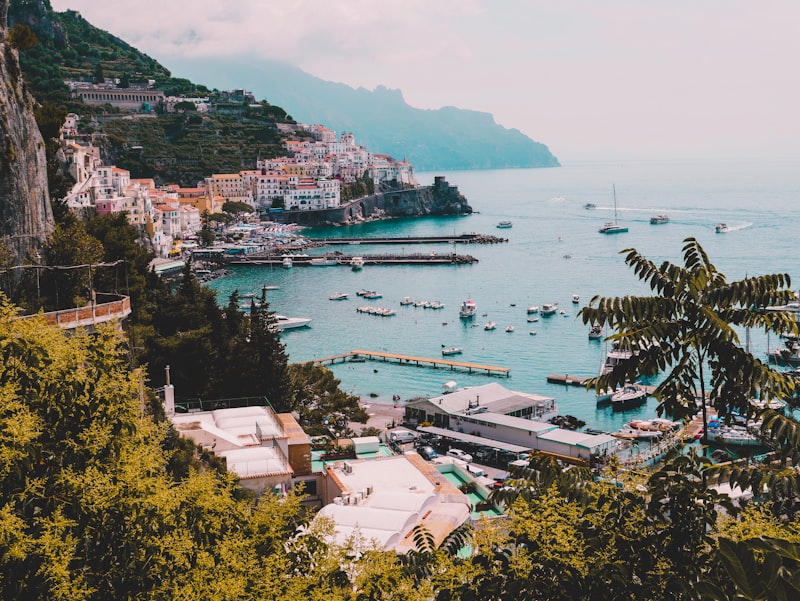
There is a reason the Mediterranean coast defines European summer. The Amalfi Coast in June is pure magic — cliffside villages, lemon groves, and long lunches above turquoise water — and going early in the season means you beat the August Italian-holiday surge. Santorini and the Greek islands deliver that same warm-sea, white-village dream, while the French Riviera adds a dose of glamour from Nice to Saint-Tropez.
My advice for all three: base yourself slightly off the headline town. Stay in Praiano instead of Positano, in Antibes instead of Nice, or on a quieter Cycladic island a short ferry from Santorini. You get the same coastline and cuisine at a calmer pace, and you can day-trip into the famous spots early in the morning before the crowds and the midday heat arrive.
- Amalfi Coast, Italy — cliffside villages and the Mediterranean at its most romantic
- Santorini & the Cyclades, Greece — caldera sunsets and warm Aegean swimming
- French Riviera — Nice, Antibes, and the glamour of the Cote d'Azur
- Tip: stay one town over from the headliner to dodge the crowds
Northern Europe & the Midnight Sun
Iceland, the Norwegian Fjords & Scandinavia
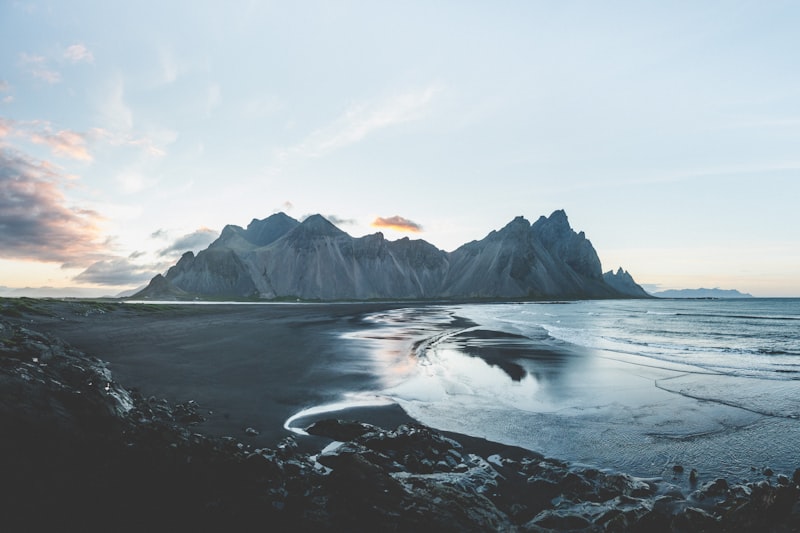
If the Mediterranean feels too warm or too busy, summer is the only time the far north fully opens up — and it is spectacular. In Iceland, July brings near-endless daylight, accessible highland roads, and puffins on the cliffs. The Norwegian fjords are at their lushest, with waterfalls thundering down green walls straight into the sea, and the Scandinavian capitals — Copenhagen, Stockholm, Oslo — are at their most joyful, with locals living outdoors after the long winter.
The midnight sun is the secret weapon here: with daylight stretching past midnight, you can hike, cruise, or sightsee on a completely relaxed schedule. It is also a brilliant region for multi-generational travel and for travelers who simply do not do heat — comfortable temperatures, no crowds compared to the south, and scenery that genuinely stops you in your tracks.
- Iceland — waterfalls, geysers, puffins, and 20+ hours of daylight
- Norwegian Fjords — best explored by small ship in June and July
- Scandinavia — Copenhagen, Stockholm, and Oslo at their liveliest
- Tip: ideal for travelers who want cool weather and no crowds
Culture Without the Crowds
Tuscany, Paris & the Quiet Corners
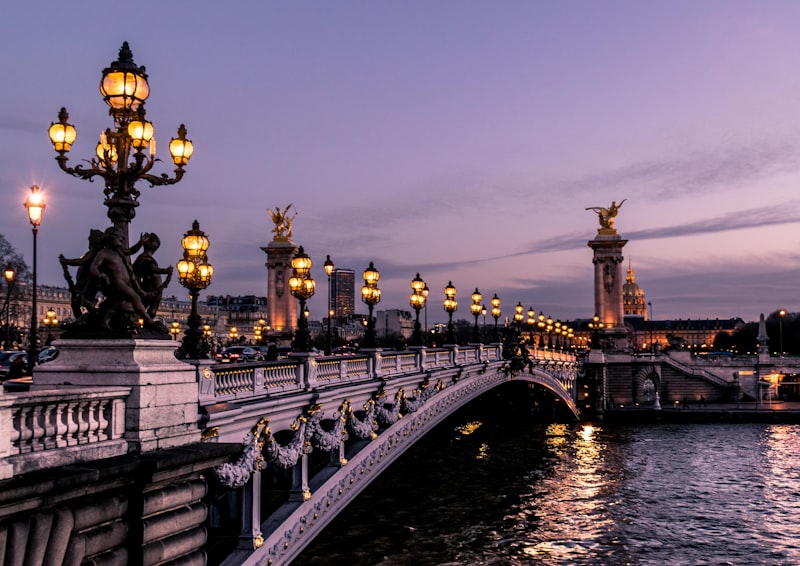
Some of Europe's best summer experiences are found just inland from the headline destinations. Tuscany in summer is golden and unhurried — vineyard lunches, hilltop towns like Montepulciano and Siena, and warm evenings made for slow dinners. Paris, often abandoned by Parisians in August, takes on a calm, almost villagey feel, with shorter museum lines and riverside evenings along the Seine.
This is where a little local knowledge changes everything. Portugal's Douro Valley, Spain's Basque Country, Slovenia's Lake Bled, and Puglia in southern Italy all deliver world-class food and scenery with a fraction of the crowds. If 2026 is the year for a bucket-list European summer, consider pairing one famous destination with one of these quieter gems — it is the combination our clients rave about most.
- Tuscany, Italy — vineyards, hilltop towns, and long golden evenings
- Paris in August — calmer, cooler lines, and a relaxed riverside city
- Hidden gems — Douro Valley, Basque Country, Lake Bled, and Puglia
- Tip: pair one icon with one quiet gem for the perfect balance
The Adriatic & the Atlantic
Croatia's Dalmatian Coast & Portugal's Algarve and Lisbon
Croatia's Dalmatian Coast has all the ingredients of a Mediterranean classic — walled stone towns, pine-scented islands and impossibly clear water — with a more relaxed rhythm than the Amalfi Coast. Dubrovnik's old city walls are unforgettable, but the real joy is island-hopping: the lively harbor of Hvar, the medieval lanes of Korcula, and the remote, wine-growing island of Vis. Split, built around Diocletian's Palace, is the natural hub for catamarans to the islands. Croatia now uses the euro and is part of the Schengen area, which makes it simple to pair with Italy, Slovenia or Austria.
Portugal offers a different flavor of summer. The Algarve's golden sandstone cliffs, sea caves and hidden coves — around Lagos, Carvoeiro and the famous Benagil cave — are best seen by boat or along the clifftop trails. The Atlantic runs cooler than the Mediterranean, and coastal breezes take the edge off the heat. Pair the beaches with a few days in Lisbon and a day trip to the palaces of Sintra.
- Dalmatian Coast, Croatia — Dubrovnik, Split, and island-hopping to Hvar, Korcula and Vis
- The Algarve, Portugal — sea caves, clifftop walks, and refreshing Atlantic swimming
- Lisbon & Sintra — tiled hillside neighborhoods, June festivals, and palace day trips
- Tip: visit Dubrovnik's walls at opening time or in the early evening, after cruise passengers leave
Mountain Summers
The Swiss Alps & Lakes, the Dolomites & the Scottish Highlands
For many travelers, the most refreshing European summer is spent above the tree line. Switzerland is at its finest from late June through early September: alpine meadows in full bloom, cable cars and mountain railways running to high viewpoints, and lakes like Lucerne, Geneva and Thun for swimming and steamboat cruises. Zermatt, in the shadow of the Matterhorn, and the Jungfrau region around Grindelwald and Wengen are superb bases for hikers of every level.
Just across the border in northern Italy, the Dolomites — a UNESCO World Heritage Site — offer jagged pale-rock peaks, high meadows and a delicious blend of Italian, Ladin and Austrian culture. Valleys such as Val Gardena and Alta Badia, and the town of Cortina d'Ampezzo, are wonderful summer bases; most lifts and mountain huts (rifugi) operate from roughly mid-June to mid-September.
Scotland's Highlands are the cool-weather alternative for travelers who would rather wear a sweater than swelter. Summer days are long, with daylight late into the evening, and Glencoe, Loch Ness and the Isle of Skye are at their most accessible. August in Edinburgh brings the Festival Fringe, the world's largest arts festival, so book early or plan around it. Pack insect repellent: the Highlands' tiny biting midges are at their peak in summer, especially on still evenings near water.
- Swiss Alps & lakes — Zermatt, the Jungfrau region, and Lake Lucerne by steamboat
- The Dolomites, Italy — Val Gardena, Alta Badia, Cortina, and rifugio lunches
- Scottish Highlands — Skye, Glencoe, and long, cool summer evenings
- Tip: mountain weather changes quickly; pack layers even in July
When & How to Book
Timing Your 2026 Summer Escape
European summer travel rewards planning ahead. The most desirable hotels and villas — especially on the Amalfi Coast, in Santorini, and in the Norwegian fjords — book up six to nine months out, and the best ones sell out first. If you have your heart set on a particular property or a specific week, the time to lock it in is now.
For the ideal balance of warm weather and manageable crowds, target the shoulder edges of summer: June and early July, or the first three weeks of September, when the sea is still warm but the August peak has passed. As your travel advisor, I can also unlock perks at many luxury properties — complimentary breakfast, upgrades, resort credits, and early check-in — that you simply cannot get booking on your own.
- Book 6-9 months ahead for Amalfi, Santorini, and fjord properties
- Target June, early July, or September for the best weather-to-crowd ratio
- Ask about advisor perks — upgrades, breakfast, and resort credits
- Build in a rest day; European summers are best savored, not sprinted
Beating the Heat & the Crowds
A Smarter Summer Rhythm
Southern Europe's summers have grown noticeably hotter. In recent years, July and August heatwaves have pushed temperatures past 100°F in parts of Italy, Greece, Spain and Portugal, and Athens has at times closed the Acropolis during the hottest afternoon hours. The answer is to plan your day the way locals do.
Start early: see the major sights, hike, or explore old towns in the cool of the morning. Retreat in the early afternoon for a long lunch, a swim, or a rest in air-conditioned comfort — the siesta rhythm exists for good reason. Then head back out in the late afternoon and evening, when towns come alive again and dinner starts at nine. Hotels with pools, sea breezes and good air conditioning make an enormous difference.
The other lever is the calendar. Late May, June and September offer long days and warm seas with smaller crowds than the peak. Much of Italy and France goes on holiday in August — Italy's Ferragosto holiday on August 15 is the high point — so coastal resorts are at their busiest then, while some cities feel quieter. If August is your only window, head north or up into the mountains.
- Sightsee early, rest in the afternoon, and enjoy the evenings like a local
- Choose shoulder months — June and September — for the best balance
- In July and August, favor the mountains, the north, or Atlantic coastlines
- Book timed-entry tickets for major museums and sites well in advance
Know Before You Go
New European Entry Rules: EES & ETIAS
Two changes to Europe's border system matter for American travelers. The first is already here: the EU's Entry/Exit System (EES) began rolling out in October 2025. It replaces passport stamps with digital registration for non-EU visitors on short stays at the external borders of most Schengen-area countries. The first time you enter under EES, you'll have your passport scanned and your fingerprints and a facial photo recorded; on later trips the process should be quicker. Allow extra time at busy summer airports.
The second is ETIAS, the European Travel Information and Authorisation System. Visa-exempt travelers, including US citizens, will need to apply online for an ETIAS travel authorization before visiting most Schengen-area countries. The EU has said ETIAS is scheduled to begin in the last quarter of 2026, which means it may well apply to summer 2027 trips — but dates have moved before, so check the official ETIAS site before you travel and apply only through official EU channels. Separately, if Scotland or London is on your list, US citizens have needed a UK Electronic Travel Authorisation (ETA) since January 2025.
- Check your passport's expiration date — many countries expect several months of validity beyond your return
- Expect EES biometric registration on your first entry to the Schengen area
- ETIAS is scheduled to begin in late 2026; confirm requirements on the official ETIAS site before you go
- Visiting the UK? Apply for your ETA through the official UK government channel
Getting Around
Europe by Rail vs. Flying
For journeys of up to about four or five hours, the train usually wins. Europe's high-speed and scenic rail networks take you from city center to city center, skip airport security lines, and turn travel time into part of the experience — think Milan to Florence or the Swiss passes from a panoramic window. Many high-speed and scenic trains require or strongly recommend seat reservations in summer.
For longer hops — Lisbon to Croatia, say, or Scandinavia to the Greek islands — flying is generally the better use of a vacation day. Trains have limited luggage space, budget airlines have strict bag allowances, and ferries to the Greek and Croatian islands sell out in peak weeks, so reserve them once your hotels are confirmed.
- Take the train for city-to-city trips under about five hours
- Reserve seats on high-speed and scenic trains in summer
- Book island ferries early, and consider a private driver on winding coastal roads
Sample Itinerary
12 Days in Switzerland & Italy by Rail
This two-country route pairs lakes, mountains and la dolce vita with almost no driving. Treat it as a starting point; every trip we plan is customized.
- Days 1-3: Fly into Zurich and take the train to Lucerne. Cruise the lake, ride up Mount Pilatus or Rigi, and stroll the covered Chapel Bridge.
- Days 4-6: Scenic rail to Zermatt, the car-free village beneath the Matterhorn. Ride the Gornergrat railway.
- Days 7-10: Cross the Simplon Pass by train into Italy and continue to Lake Como. Explore Bellagio and Varenna by boat.
- Day 11: Transfer to Milan for the Duomo rooftop, Leonardo's Last Supper (book well ahead), and a farewell dinner.
- Day 12: Fly home from Milan.
Looking Ahead
Your Summer 2027 Booking Timeline
If you are dreaming about next summer, now is the ideal time to start. The best villas and boutique hotels in Europe's most sought-after places book six to nine months ahead.
- Fall 2026: Choose your destinations and dates, and check that everyone's passports will be valid well beyond your return.
- 9-12 months out: Secure hero hotels, villas, and small-ship cruises — the most limited inventory goes first.
- 6-9 months out: Book flights and confirm the rest of your accommodations before the best options are gone.
- 3-6 months out: Reserve signature restaurants, guided experiences, timed-entry tickets, trains, and ferries as they open.
- 1-2 months out: Confirm entry requirements (including ETIAS, if it has launched), travel insurance, and transfers.
We would love to help you plan a European summer that feels effortless from the first flight to the last dinner. Book a free planning call with Destinara Travel, or explore our vacation ideas to start imagining where summer 2027 could take you.
Plan Your European Summer for 2026
Whether it's the Amalfi Coast, the Norwegian fjords, or a quiet corner few travelers reach, Elizabeth Nichols will craft a summer itinerary that's all yours — perks included.
Plan My European Summer