Alaska by Cruise Ship: America's Most Spectacular Voyage
No other destination delivers the raw, untouched grandeur of an Alaska cruise. Glaciers the size of cities calving into the sea, humpback whales breaching at eye level, bald eagles riding thermals above ancient rainforests — Jay Nichols shares everything you need to plan this bucket-list journey right.
The Experience
Why Alaska Is Unlike Anywhere Else
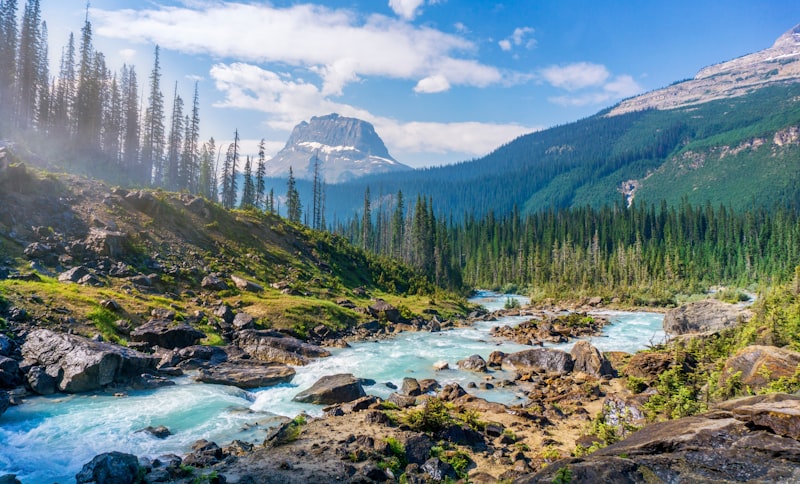
Alaska cruises run on a completely different register than any Caribbean or Mediterranean voyage. The scale is hard to take in — peaks in the Fairweather Range rise more than 15,000 feet almost straight from the sea, tidewater glaciers push ice right into the water, and fjords narrow until the walls feel close enough to touch. Most days bring something that makes you put your phone down and just stare.
It is also a trip where the details of planning matter more than usual. Which direction you sail, which month you go, which ship you choose, and whether your itinerary includes a permit for Glacier Bay all shape what you will actually see. Below, we walk through each of those decisions the same way we do with our own clients planning a summer 2027 voyage.
Timing
The Alaska Season, Month by Month
The large-ship Alaska season runs roughly from May through September, with a handful of sailings at the very edges in late April and early October. There is no bad month — just different trade-offs between weather, wildlife, crowds and price.
May is one of the driest months in Southeast Alaska and often the best value of the year. Snow still caps the mountains, waterfalls run hard with snowmelt, humpback whales are arriving to feed, and the ports are noticeably calmer. A few seasonal attractions may still be ramping up early in the month.
June brings the longest days — around the summer solstice, Juneau sees roughly 18 hours of daylight and Anchorage more than 19 — so evenings on deck stay bright long after dinner. Wildlife is active, newborn animals appear along shorelines, and demand climbs as school lets out.
July and early August are peak season: the warmest weather (typically highs in the 50s and 60s°F, occasionally warmer), every excursion running, and the fullest ships and busiest ports. Salmon runs build through the summer, which draws bears to streams and eagles to the rivers. Fares and cabin availability are at their tightest for family-friendly summer dates.
Late August and September trend rainier and cooler, but the rewards are real — fall color in the high country, active salmon streams, fewer crowds and, as nights grow dark again, a chance of northern lights on a clear night. Shoulder-season sailings in May and September tend to be priced lower than midsummer.
- May — Best value, drier weather, snowy peaks, quieter ports
- June — Longest daylight, active wildlife, building demand
- July & early August — Warmest and busiest; book earliest
- Late August & September — Salmon runs, fall color, softer pricing, more rain
Choosing a Route
Inside Passage Round-Trip vs. Gulf of Alaska One-Way
Almost every big-ship Alaska cruise falls into one of two patterns, and choosing between them is the first decision we make with clients.
Inside Passage round-trips sail seven nights from Seattle or Vancouver and back. They wind through the sheltered channels between the mainland and the islands of British Columbia and Southeast Alaska, so the water is generally calm. Round-trips keep air travel simple — one airport in, the same airport out — which makes them the easiest choice for first-timers and families. Because of U.S. cabotage law, foreign-flagged ships sailing round-trip from Seattle must call at a foreign port, which is why many of those itineraries include a short stop in Victoria, British Columbia, often in the evening on the way home.
Gulf of Alaska one-way sailings run between Vancouver and Seward or Whittier, the cruise ports that serve Anchorage. They see more of the state, often including Hubbard Glacier and College Fjord, and they are the natural pairing with a land tour to Denali. The trade-offs: open-water days in the Gulf can be rougher than the Inside Passage, and you will need open-jaw flights — into Vancouver and home from Anchorage, or the reverse. Seward is roughly a two-and-a-half-hour drive from Anchorage and Whittier about an hour and a half, so transfers deserve a little planning too.
Whichever you choose, every route touches Canada. A valid passport is the right document for every guest, and it is required if you will fly into or out of Vancouver.
Ports & Excursions
The Classic Ports and What to Do in Each
Juneau, the state capital, can only be reached by sea or air. Mendenhall Glacier sits about 12 miles from downtown, with trails to Nugget Falls and views across the lake to the ice. Juneau is also one of the most reliable places in Alaska for whale watching — humpbacks feed in the surrounding waters all summer — and the jumping-off point for helicopter flightseeing, including tours that land on the Juneau Icefield for dog sledding with working mushers and their teams.
Skagway was the gateway to the Klondike Gold Rush, and its historic district still looks the part. The signature excursion is the White Pass & Yukon Route Railroad, built in 1898, which climbs nearly 3,000 feet from sea level to the White Pass summit in about 20 miles on narrow-gauge track, past waterfalls, trestles and gorges.
Ketchikan is known as the Salmon Capital of the World and has one of the largest collections of standing totem poles anywhere. Saxman Native Village, Totem Bight State Historical Park and the Totem Heritage Center are each easy to reach from the pier, and historic Creek Street is right in town. For a splurge, a floatplane over Misty Fjords National Monument shows off sheer granite cliffs and lakes you can only see from the air. Ketchikan is also one of the rainiest towns in the United States, so bring the rain jacket ashore.
Sitka was the capital of Russian America, and that heritage lives on in St. Michael’s Cathedral and the Russian Bishop’s House. Sitka National Historical Park pairs a forest trail with Tlingit and Haida totem poles, the Alaska Raptor Center rehabilitates injured bald eagles, and the waters offshore are excellent for sea otters.
Icy Strait Point, near the Tlingit village of Hoonah, is a privately developed port owned by a Native corporation, with cultural programs, whale watching in Icy Strait, and one of the longest ziplines in the world.
- Juneau — Mendenhall Glacier, whale watching, helicopter glacier dog sledding
- Skagway — White Pass & Yukon Route Railroad
- Ketchikan — Totem parks and a Misty Fjords floatplane flight
- Sitka — Totem trail, Raptor Center and sea otter tours
- Icy Strait Point — Whale watching and the ZipRider

Scenic Cruising
Glacier Bay, Hubbard Glacier & Tracy Arm
The scenic cruising day is the highlight of most Alaska voyages, and it is where itineraries differ the most.
Glacier Bay National Park is a UNESCO World Heritage Site, and the National Park Service limits how many cruise ships may enter each day through a permit system. Only certain lines and ships hold those permits — Holland America and Princess are the best known — so if Glacier Bay is high on your list, confirm it is on the specific sailing before you book. Park rangers typically come aboard for the day to narrate.
Hubbard Glacier, near Yakutat, is one of the largest tidewater glaciers in North America, with a face roughly six miles wide. It appears most often on Gulf of Alaska one-way sailings and on some longer round-trips.
Tracy Arm and Endicott Arm are long, narrow fjords south of Juneau ending at the Sawyer Glaciers and Dawes Glacier. Ice conditions decide how far a ship can go, and captains will sometimes swap one fjord for the other or turn back early for safety. That is normal in Alaska, and it is one reason we look closely at the whole itinerary rather than a single glacier.
Choosing Your Ship
Which Cruise Line Is Right for Alaska?
The ship you choose shapes the whole experience, and Alaska has options in every style.
Big-ship lines such as Royal Caribbean and Norwegian bring the most onboard activities, a wide range of dining, and strong value — a great fit for multigenerational families. Premium lines such as Holland America, Princess and Celebrity combine comfortable ships with deep Alaska programming; Holland America and Princess have the longest Alaska histories and the widest choice of itineraries and cruisetours, while Celebrity offers a polished, contemporary feel. Luxury lines such as Regent Seven Seas, Silversea and Seabourn sail smaller ships with more space per guest, more inclusive fares and a more personal pace.
Expedition and small-ship lines such as Lindblad Expeditions (in partnership with National Geographic), UnCruise Adventures and American Cruise Lines carry far fewer guests and can reach narrow inlets and small communities the big ships cannot. Days revolve around naturalists, kayaks, skiffs and hikes rather than shows and casinos. These voyages come at a premium, and for wildlife-focused travelers they are often worth it.
Is a balcony worth it? In Alaska, we say yes more often than anywhere else. Much of the best scenery happens while the ship is moving — whales surfacing alongside, glaciers sliding past, eagles along the shoreline — and with near-endless summer daylight, you can step outside in a robe at 10 p.m. and still see it. On scenic cruising days a private balcony means a front-row seat without competing for rail space on the open deck.
- Royal Caribbean & Norwegian — Best for families and onboard activities
- Holland America & Princess — Best for itinerary depth, Glacier Bay and cruisetours
- Celebrity — Best for a modern, upscale feel
- Regent, Silversea & Seabourn — Best for all-inclusive luxury and smaller ships
- Lindblad, UnCruise & American Cruise Lines — Best for small-ship intimacy and wildlife
Going Further
Adding a Cruisetour to Denali
If you are flying all the way to Alaska, it is worth asking whether to see the interior too. A cruisetour pairs a one-way Gulf of Alaska sailing with several nights on land, usually before or after the cruise, connecting Anchorage, Talkeetna, Denali National Park and sometimes Fairbanks or the Kenai Peninsula.
Denali National Park covers about six million acres, and private vehicles may only drive the first few miles of the park road, so most visitors explore by bus tour, watching for grizzlies, moose, caribou and Dall sheep. Many cruisetours include a ride on the Alaska Railroad in glass-domed railcars, and Holland America and Princess operate their own lodges near the park entrance. One honest expectation to set: Denali itself, at 20,310 feet the tallest peak in North America, makes its own weather and is often hidden in cloud, so a full view is a treat rather than a promise.
- Plan on 3 to 7 nights on land in addition to the cruise
- Land-first or cruise-first both work — we match it to your energy and flights
- Cruisetour space is limited and tends to sell out before the cruise itself
Packing
What to Bring
Packing for Alaska means thinking in layers. Even on sunny summer days, temperatures on deck near a glacier can feel like the low 40s once the wind picks up, while a sheltered afternoon in town may be pleasantly mild. Southeast Alaska is a temperate rainforest, so a waterproof outer layer is non-negotiable.
Binoculars are perhaps the single most valuable item you can bring — you will use them every day, from the deck and on every excursion. A good pair of 8x42 or 10x42 binoculars transforms distant specks into whales, bears and mountain goats. Sunglasses and sunscreen matter too; glare off water and ice is stronger than people expect.
- Waterproof jacket and pants (not optional)
- Quality binoculars — 8x42 or 10x42 recommended
- Layering pieces: fleece, base layers, warm hat and gloves
- Waterproof walking or hiking shoes for shore excursions
- Sunglasses, sunscreen and a small waterproof daypack
- Passport for every traveler
Booking
When to Book a Summer 2027 Alaska Cruise
Alaska rewards early planners. Itineraries are typically released well over a year ahead, and the cabins that go first are the ones most travelers want here — balconies and suites on peak-summer sailings, plus cruisetour packages with limited lodge space. Popular shore excursions, especially helicopter glacier landings, dog sledding and floatplane flights, have limited seats and are worth reserving once your cruise is booked.
The first months of the year, known in the industry as wave season, are a traditional time for cruise lines to roll out booking offers. For our full take on timing, see our Wave Season 2027 cruise booking guide.
Every Alaska trip is a series of choices — route, month, ship, cabin and land days — and getting them right is exactly what we love helping with. Explore our Alaska destination guide for more inspiration, or book a complimentary consultation and we will help you design the summer 2027 Alaska voyage that fits you best.
Ready to Set Course for Alaska?
Jay has sailed Alaska multiple times and knows every port, every excursion, and every cruise line inside out. Let him build your perfect Alaskan voyage.
Plan My Alaska Cruise